Essential Things to Know About Pig Feed
In pig farming, feed is not only a source of energy but also a key factor influencing growth performance, meat quality, reproductive efficiency and overall profitability. In many cases, poor farming results are not caused by genetics but by unbalanced diets and feeding programs that are not optimized for each stage of development.
The importance of pig feed in modern farming
Pigs are fast-growing animals, but they are also highly sensitive to nutritional management. A well-balanced diet helps pigs grow efficiently, strengthens their immune system, reduces disease risks, and optimizes feed costs. Pig feed should provide five essential nutrient groups: carbohydrates, protein, fats, vitamins and minerals. Each nutrient plays a unique role, yet all are closely interconnected. A deficiency in any one of these nutrients over an extended period can result in slower growth, reduced immunity, or reproductive issues. One common misconception among farmers is that feeding more automatically leads to better performance. In reality, productivity depends on the balance of nutrients and the animal's ability to utilize them effectively.
Energy-rich feed ingredients in pig diets
The role of carbohydrates and energy
Carbohydrates are the primary source of energy that enables pigs to maintain vital functions such as breathing, movement, and digestion. Insufficient energy intake can weaken pigs, increase their susceptibility to disease, and reduce growth performance. Energy also plays a significant role in reproduction. Sows with inadequate energy intake may produce less milk, negatively affecting piglet growth and development.
Common energy sources
In practical pig production, energy-rich ingredients are mainly derived from grains and root crops. Rice bran is one of the most commonly used ingredients due to its affordability and reliable energy value. Dried cassava chips are also widely utilized because of their high starch content and long storage life. In addition, cassava residue can serve as a cost-effective ingredient in feed formulations, helping farmers reduce feed expenses. However, cassava-based ingredients should be properly processed before use to minimize naturally occurring anti-nutritional factors and ensure animal safety.
Although these ingredients provide valuable energy, they are generally low in protein and micronutrients. Therefore, they should be combined with other nutrient sources to create a balanced diet.
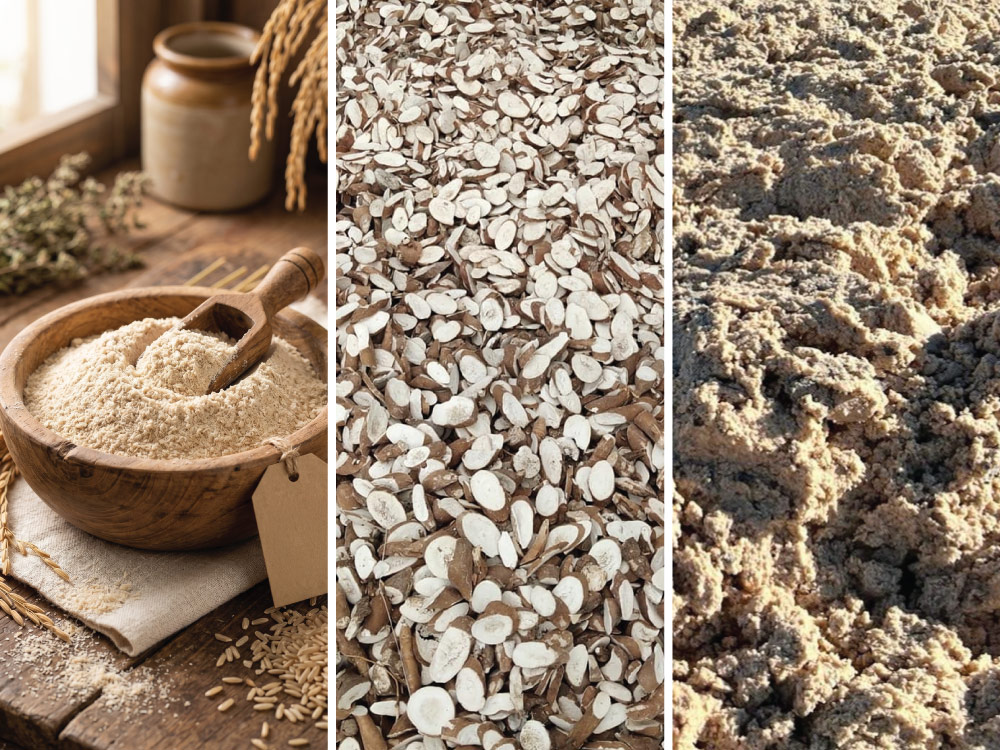
Rice bran, dried cassava chips and cassava residue are commonly used energy-rich ingredients in pig feed formulations
Protein-rich feed ingredients for growth performance
Why protein matters
Protein is a fundamental building block of muscles, blood, skin, and body tissues. A protein deficiency can significantly slow growth, reduce lean meat yield, and weaken the immune system. For finishing pigs, protein directly affects carcass quality and lean meat production. For breeding sows, adequate protein intake is essential for reproductive performance and milk production.
Animal protein and plant protein sources
Protein sources used in pig feed generally fall into two categories: animal-based proteins and plant-based proteins. Plant proteins, such as soybean meal, oilseed meals and rice bran, are cost-effective but may lack certain essential amino acids. Animal proteins, on the other hand, often provide a more balanced amino acid profile and are typically more digestible.
The role of fish meal in pig diets
Among animal protein sources, fish meal is considered one of the most valuable ingredients due to its high protein content and rich supply of essential amino acids. When included at appropriate levels, fish meal can improve growth performance, increase lean meat deposition, and support overall animal health. Fish meal also provides B vitamins and trace minerals that contribute to efficient metabolism.
However, fish meal should be incorporated at suitable inclusion rates to ensure cost efficiency and maintain optimal meat quality.
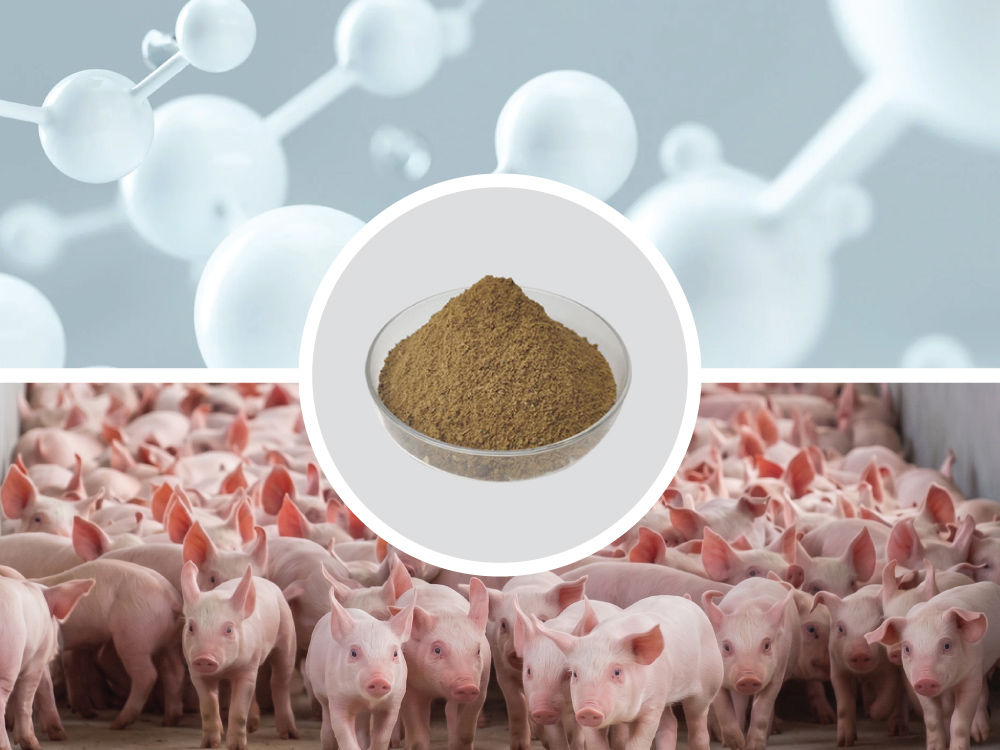
Fish meal is an important protein source in pig feed, helping improve growth performance and feed efficiency
The role of fats in pig nutrition
Fats are concentrated energy sources that help provide calories and facilitate the absorption of fat-soluble vitamins. Compared with carbohydrates, fats deliver significantly more energy per unit of weight. In modern livestock production, fish oil is increasingly used not only as an energy source but also as a supplier of beneficial fatty acids. Appropriate supplementation of fish oil may support immune function and contribute to improved meat quality. However, fat inclusion should be carefully managed. Excessive fat levels can lead to increased body fat deposition and reduced production efficiency.
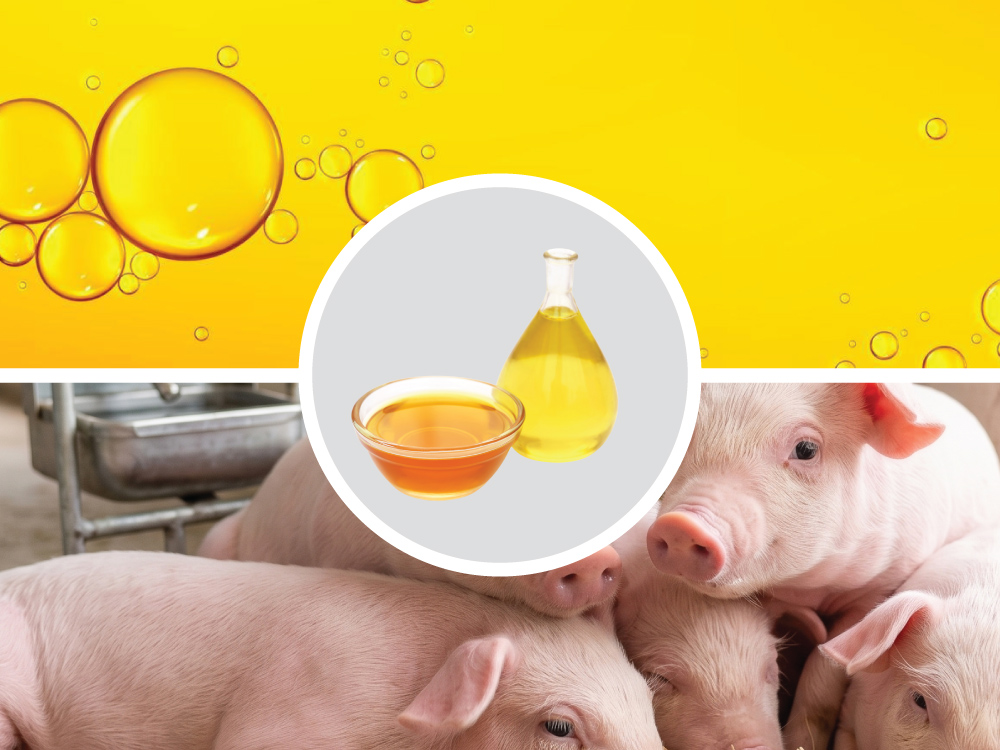
Fish oil provides additional energy, supports vitamin absorption and contributes to better animal health
Vitamin and minerals for healthy development
The importance of vitamins
Vitamins play a crucial role in metabolism, immune function, and overall health. Deficiencies may lead to poor growth, weakened immunity, and various health disorders affecting the skin, eyes, and other organs. Natural vitamin sources include green vegetables, fruits and root crops. In commercial production systems, vitamin premixes are commonly used to ensure consistent nutrient supply.
The importance of minerals
Minerals are essential for bone formation, tooth development and numerous physiological functions. Calcium and phosphorus are particularly important for growing pigs. Mineral supplementation must be carefully balanced, as both deficiencies and excesses can negatively impact animal health and performance.
Nutritional requirements as different growth stages
Pigs have different nutritional needs throughout their life cycle, making it important to adjust feed formulations accordingly. Piglets require highly digestible diets rich in protein and energy to support rapid growth. Growing and finishing pigs need a balanced ratio of energy and protein to maximize lean meat production. Breeding sows require specialized feeding programs during gestation and lactation to maintain health and reproductive performance. Understanding these nutritional requirements helps farmers avoid both underfeeding and overfeeding while maximizing production efficiency.
Common mistakes when selecting pig feed
One of the most common mistakes is relying too heavily on low-cost ingredients such as cassava products or bran without balancing protein and micronutrient levels. This often results in slower growth and lower meat quality. Another issue is the use of poor-quality ingredients, including moldy bran or substandard fish meal, which can have serious consequences for animal health. Failure to adjust diets according to different growth stages is another frequent mistake that can reduce feeding efficiency and increase production costs.
Masi’s feed ingredient solutions
Pig feed is one of the most important factors determining success in livestock production. A well-designed feeding program should provide balanced nutrition and be tailored to each stage of development.
Selecting the right ingredients, such as rice bran, dried cassava chips, cassava residue, high-quality fish meal, and fish oil, can help improve growth performance, increase productivity, and reduce long-term feeding costs.
Masi supplies a wide range of high-quality feed ingredients, including fish meal, fish oil, rice bran, dried cassava chips, cassava residue, and many other raw materials for animal nutrition. With a stable supply chain and strict quality control standards, Masi helps livestock producers optimize feed formulations, improve nutritional efficiency and achieve sustainable growth.
--------------------------------------
Contact information:
Masi
-
Office: 7th Floor, Giga Mall, 240–242 Pham Van Dong Street, Hiep Binh Ward, Ho Chi Minh City
-
Factory: Lot C11, Fish Sauce Processing Zone, Phu Thuy Ward, Lam Dong Province
-
Factory: Hoi Hamlet, Kim Son Commune, Dong Thap Province
Email: Cs@masi.vn
Call center: 0909 411 885 - 0911 401 955 - 0979 045 766
Facebook: https://www.facebook.com/masi.fishmeal